
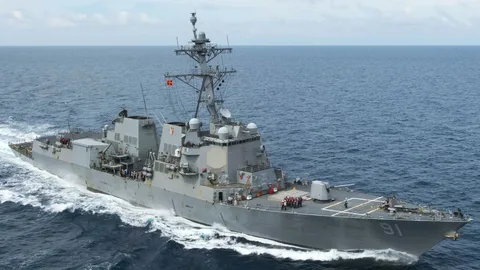
USS Pinckney is a United States Navy guided missile destroyer that represents modern naval warfare, advanced maritime defense systems, and long-range operational capability. As part of the Arleigh Burke class, this vessel is built to perform multi-mission roles including air defense, surface warfare, anti-submarine operations, and strategic deterrence. The ship embodies the evolution of destroyer design where flexibility, technology, and endurance converge to support global naval dominance.
Namesake and Historical Significance
The ship is named after William Pinckney, a U.S. Navy sailor recognized for extraordinary bravery and service. Naming conventions within the Navy serve both symbolic and cultural purposes, connecting modern vessels with historical acts of valor. This naming reinforces tradition, morale, and continuity between generations of naval service members.
Classification and Design Philosophy
USS Pinckney belongs to a destroyer class designed to adapt to evolving threats. The design emphasizes survivability, redundancy, and modular upgrades. Hull form, superstructure shaping, and material selection are optimized to reduce radar cross-section and improve operational endurance. Every design choice reflects lessons learned from decades of naval engagement and technological advancement.
Hull Structure and Engineering Layout
The hull is constructed using high-strength steel alloys engineered for durability under combat stress. Internal compartmentalization enhances damage control by isolating affected sections during battle or mechanical failure. The layout prioritizes crew safety, system redundancy, and efficient movement throughout the ship during high-tempo operations.
Propulsion System and Power Generation
The propulsion system is based on gas turbine engines that provide rapid acceleration and sustained high-speed capability. This configuration allows the ship to respond quickly to emerging threats or reposition across vast maritime distances. Integrated power generation supports both propulsion and onboard combat systems, ensuring uninterrupted operational readiness.
Speed, Range, and Endurance Capabilities
USS Pinckney is designed for extended deployments without frequent resupply. Its cruising range allows it to operate independently or as part of carrier strike groups across multiple theaters. Endurance is supported by efficient fuel consumption, onboard storage capacity, and logistical planning.
Combat Systems Architecture
The ship’s combat architecture integrates sensors, weapons, communications, and command systems into a unified network. This integration allows rapid data sharing and coordinated response to threats. The system architecture supports simultaneous engagement of air, surface, and subsurface targets.
Radar and Sensor Technology
Advanced radar systems provide long-range detection and tracking of aircraft, missiles, and surface vessels. These sensors operate in multiple modes to adapt to cluttered environments, electronic warfare conditions, and stealth threats. Sensor fusion ensures accurate situational awareness across all domains.
Missile Defense and Launch Systems
The vertical launch system allows the ship to deploy a wide variety of missiles without reconfiguration. This flexibility supports air defense, missile interception, land attack, and anti-ship missions. Rapid launch capability enables layered defense against complex threat scenarios.
Naval Gun Systems and Close Defense
In addition to missile systems, the ship carries naval guns designed for surface engagement, shore support, and defensive fire. Close-in weapon systems provide last-line defense against incoming missiles or small craft threats, ensuring survivability in high-risk environments.
Anti-Submarine Warfare Capabilities
USS Pinckney is equipped with sonar systems and anti-submarine weapons that allow detection and engagement of underwater threats. These systems operate in coordination with helicopters and allied vessels to maintain undersea dominance.
Aviation Facilities and Helicopter Operations
The flight deck and hangar support helicopter operations that extend the ship’s surveillance, strike, and rescue capabilities. Aviation assets provide flexibility in reconnaissance, logistics, and rapid response missions.
Electronic Warfare and Countermeasures
Electronic warfare systems detect, analyze, and counter hostile emissions. These capabilities disrupt enemy targeting and protect the ship from guided threats. Countermeasures include decoys, jamming systems, and signal manipulation technologies.
Command, Control, and Communications
The command spaces onboard USS Pinckney are designed for real-time decision making under combat conditions. Secure communications link the ship with other naval units, joint forces, and command authorities. Redundant systems ensure connectivity even in contested environments.
Crew Composition and Training
The ship is operated by a highly trained crew specializing in navigation, engineering, combat systems, and logistics. Continuous training ensures readiness for both routine operations and high-intensity conflict. Crew coordination is essential to maintaining operational efficiency.
Daily Life Aboard the Ship
Life aboard USS Pinckney requires discipline, adaptability, and teamwork. Crew members balance operational duties with maintenance, training, and personal routines. Living quarters, mess facilities, and recreational areas support morale during extended deployments.
Maintenance and Sustainment Strategy
Regular maintenance cycles preserve combat readiness and extend service life. Planned maintenance includes system upgrades, inspections, and repairs conducted both at sea and in port. Sustainment strategy focuses on minimizing downtime while maximizing performance.
Modernization and Upgrade Philosophy
The ship is designed to receive periodic upgrades that incorporate emerging technologies. Modular systems allow integration of new sensors, weapons, and software without major structural changes. This adaptability ensures relevance throughout its service life.
Strategic Mission Roles
USS Pinckney supports a range of strategic missions including maritime security, deterrence patrols, freedom of navigation operations, and allied exercises. Its presence contributes to regional stability and demonstrates commitment to international security partnerships.
Role in Carrier Strike Groups
When operating with carrier strike groups, the ship provides layered defense against air and missile threats. Its sensors and weapons enhance group survivability and operational reach. Coordination within the group amplifies collective combat power.
Independent Deployment Capabilities
The ship is capable of operating independently in support of specific missions such as interdiction, surveillance, or escort operations. Independent deployment highlights the versatility and self-sufficiency of modern destroyer platforms.
Joint and Allied Operations
USS Pinckney regularly operates alongside allied naval forces, enhancing interoperability and shared tactical understanding. Joint exercises improve coordination and reinforce international defense relationships.
Maritime Security and Interdiction
The ship plays a role in maintaining maritime security by monitoring shipping lanes, conducting inspections, and deterring illicit activities. These operations support global trade and regional stability.
Crisis Response and Rapid Deployment
Rapid deployment capability allows the ship to respond to emerging crises such as regional conflicts or humanitarian emergencies. Speed and readiness enable timely intervention when required.
Humanitarian and Support Missions
Beyond combat roles, USS Pinckney can support humanitarian operations by providing logistics, medical assistance, and transportation support during natural disasters or emergencies.
Environmental and Operational Challenges
Operating in diverse environments presents challenges such as extreme weather, extended supply lines, and complex geopolitical conditions. Crew training and ship design address these challenges to maintain mission effectiveness.
Cybersecurity and Digital Resilience
Modern naval vessels rely heavily on digital systems. Cybersecurity measures protect command networks, navigation systems, and combat controls from intrusion or disruption.
Logistics and Supply Chain Integration
Efficient logistics ensure sustained operations. Coordination with supply ships and ports enables replenishment of fuel, food, and spare parts without interrupting mission objectives.
Leadership Structure and Command Culture
Leadership aboard USS Pinckney emphasizes accountability, professionalism, and adaptability. Clear command hierarchy supports decisive action during both routine and high-stress situations.
Operational Legacy and Service Record
The ship’s service record reflects participation in a wide range of missions across multiple regions. Each deployment contributes to institutional knowledge and operational experience.
Comparative Strength Within Its Class
Within its class, USS Pinckney benefits from cumulative improvements applied across the fleet. Shared design allows lessons learned on one ship to enhance performance fleet-wide.
Technological Evolution and Future Readiness
As naval warfare evolves, the ship’s design ensures compatibility with emerging technologies such as advanced sensors, autonomous systems, and integrated battle networks.
Strategic Deterrence Contribution
The ship’s presence acts as a deterrent by signaling capability and readiness. Deterrence relies not only on weapons but on demonstrated operational competence.
Long-Term Service Life and Decommissioning Outlook
The ship is expected to remain in service for decades, supported by ongoing upgrades and maintenance. Long-term planning ensures responsible lifecycle management.
Educational and Training Value
USS Pinckney serves as a training platform for sailors developing expertise in advanced naval systems. Knowledge gained contributes to broader fleet capability.
Symbolism and Naval Tradition
Beyond its operational role, the ship represents national commitment, technological achievement, and the enduring tradition of naval service.
Global Maritime Influence
By operating across international waters, USS Pinckney contributes to global maritime balance and reinforces principles of lawful navigation and security.
Final Perspective on USS Pinckney
USS Pinckney stands as a highly capable, adaptable, and strategically valuable naval asset. Its advanced systems, trained crew, and flexible mission profile allow it to operate effectively across the full spectrum of naval operations. More than a single ship, it represents the modern philosophy of naval power where technology, people, and purpose align to support long-term maritime security.