

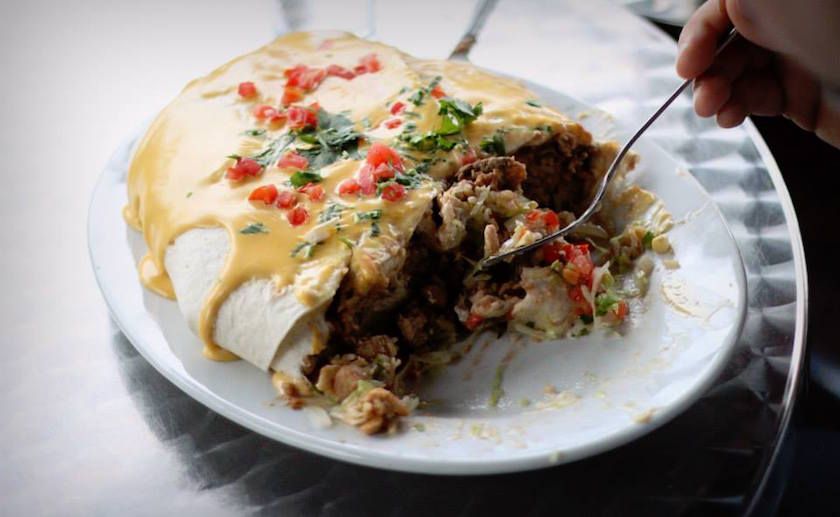
Chingon meat is not a fixed recipe, branded product, or single preparation method. It is a culinary concept rooted in attitude, confidence, and bold execution. The word chingon originates from Mexican slang and carries meanings such as powerful, impressive, and exceptional. When applied to meat, it reflects an expectation of strong flavor, careful cooking, and an unapologetic approach to seasoning and portioning. Chingon meat is about how food makes people feel rather than how it is labeled on a technical level.
Cultural Meaning Behind the Term
In food culture, words matter because they shape expectation. Chingon is a word that communicates pride and intensity. When someone describes meat as chingon, they are not simply saying it tastes good. They are signaling that it delivers impact. This impact can come from spice, smokiness, tenderness, or sheer richness. The term is deeply connected to street food culture, where food must impress immediately to earn loyalty.
Why Chingon Meat Is Not a Single Dish
Unlike traditional dishes with fixed ingredients, chingon meat adapts to context. It can be beef, pork, chicken, or other proteins. It can be grilled, smoked, braised, or roasted. What remains constant is the intention behind the preparation. Chingon meat prioritizes flavor saturation, texture integrity, and satisfaction. This flexibility is what allows the concept to thrive across regions and cooking styles.
The Role of Confidence in Cooking
Chingon meat reflects confidence from the cook. There is no hesitation in seasoning, no fear of flavor. The cook understands the protein and applies techniques decisively. This confidence is often built through repetition and experience rather than strict adherence to written recipes. Many chingon-style dishes are refined through instinct and feedback rather than formal training.
Flavor as the Central Focus
Flavor is the defining element. Chingon meat is layered, not flat. It engages multiple taste dimensions at once. Salt enhances natural umami. Acidity balances fat. Heat provides excitement without overwhelming the palate. Smoke adds depth. These elements work together rather than competing. The result is meat that tastes complete even without sauces or sides.
Meat Selection and Its Importance
While technique can elevate modest cuts, selection still matters. Chingon meat often uses cuts with enough fat to carry flavor and withstand aggressive cooking methods. For beef, this might include skirt steak, chuck, brisket, or rib cuts. Pork selections often include shoulder, belly, or ribs. These cuts reward patience and proper handling.
Marinades as Flavor Builders
Marinades are a foundational tool. They serve multiple purposes: seasoning, tenderizing, and aromatic infusion. Effective marinades penetrate without overpowering. They use acid sparingly and rely on spices and aromatics for complexity. Time is critical. Short marinades deliver surface flavor. Longer marinades build depth but require balance to avoid mushy texture.
Dry Rubs and Surface Flavor
Dry rubs play a major role in chingon meat, especially for grilled or smoked preparations. Rubs create a crust that locks in moisture and delivers concentrated flavor with every bite. Salt is essential but must be measured. Spices should complement the meat rather than mask it. Toasting spices before application enhances aroma and complexity.
Heat Management and Control
Proper heat control separates good meat from chingon meat. High heat creates char and caramelization. Low heat builds tenderness. Skilled cooks understand when to apply each. Rushing the process leads to dryness or toughness. Patience allows connective tissue to break down and fat to render properly.
Smoking as a Chingon Technique
Smoking is a natural fit for the chingon philosophy. It rewards time and discipline. Wood selection influences flavor. Too much smoke overwhelms. Too little leaves the meat underdeveloped. Balanced smoke adds depth without bitterness. This method is especially effective for larger cuts that benefit from long cooking times.
Grilling and Open Flame Cooking
Grilling delivers immediate impact. The interaction between flame and fat creates flavor compounds that define chingon meat. Grill marks are not decoration; they are evidence of proper heat. Resting meat after grilling allows juices to redistribute, improving texture and flavor.
Braising and Slow Cooking
Slow cooking methods produce chingon meat through tenderness and richness. Braising transforms tough cuts into melt-in-the-mouth textures. The cooking liquid becomes infused with flavor, further enhancing the dish. This method emphasizes comfort and depth rather than intensity alone.
Texture as a Measure of Success
Texture communicates skill instantly. Chingon meat should be tender but structured. It should resist slightly before yielding. Dryness indicates poor timing. Greasiness suggests imbalance. Proper texture reflects respect for the ingredient and mastery of technique.
Portion Size and Satisfaction
Chingon meat is generous but not careless. Portions feel abundant without being wasteful. This abundance reinforces the idea of value and satisfaction. People associate chingon food with fullness and fulfillment.
Street Food Influence
Street food culture shapes much of chingon meat identity. Street vendors succeed by delivering consistent, bold flavors quickly. There is little room for error. This pressure refines technique and flavor over time. Many chingon dishes originate from this environment.
Tacos as the Primary Vehicle
Tacos showcase chingon meat effectively. The tortilla supports without competing. Toppings remain minimal. This format allows the meat to remain the focus. A good taco demonstrates balance in every bite.
Burritos and Plates
In larger formats, chingon meat must hold its own among other components. Rice, beans, and sauces should support rather than dilute. This requires stronger seasoning and proper moisture management.
Sauces and Their Role
Sauces enhance but should never rescue. Chingon meat should taste complete on its own. Salsas add contrast through acidity or heat. Over-saucing hides flaws rather than improving quality.
Seasoning Balance
Bold does not mean reckless. Over-salting or excessive heat can ruin the experience. Balance allows each element to contribute. Experienced cooks adjust seasoning throughout the process rather than at the end.
Home Cooking and Replication
Home cooks can achieve chingon results by focusing on fundamentals. Good seasoning, proper heat, and patience matter more than expensive equipment. Understanding the why behind techniques allows adaptation to different kitchens.
Common Errors to Avoid
Rushing, poor meat handling, and ignoring resting time are common mistakes. Each step builds toward the final result. Skipping one compromises the whole dish.
Ingredient Respect
Respect for ingredients underpins chingon cooking. Waste is minimized. Trimmings are repurposed. Bones become stock. This approach reflects both tradition and sustainability.
Emotional Connection to Food
Chingon meat often triggers memory and emotion. It connects people to gatherings, celebrations, and shared experiences. This emotional layer enhances perceived flavor and satisfaction.
Branding and Expectation
Using the word chingon creates expectation. When the food delivers, loyalty follows. When it fails, disappointment is stronger. Authentic execution is essential.
Why Chingon Meat Stands Out
In a crowded food landscape, chingon meat stands out by focusing on flavor and confidence rather than trends. It is timeless because it prioritizes fundamentals executed exceptionally well.
Foundation for What Comes Next
This section establishes the philosophy and fundamentals of chingon meat. Understanding these principles allows deeper exploration into advanced techniques, flavor science, regional styles, and consumer psychology.

















Leave a Reply