

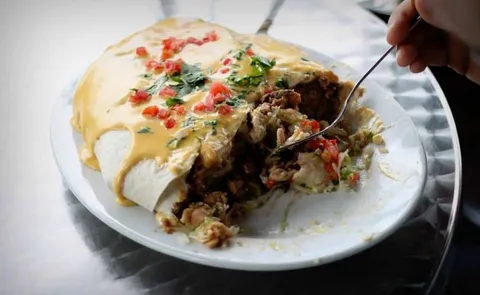
Chingon meat is not a single defined product or cut of meat but a cultural expression used in food to communicate intensity, boldness, confidence, and excellence. The word chingon originates from Mexican Spanish slang and is commonly used to describe something impressive, powerful, or exceptional. When applied to meat, it signals a promise of strong flavor, generous portions, and a memorable eating experience rather than a specific recipe. Over time, the term has become embedded in culinary branding, menu naming, and food culture, especially in Mexican, Tex-Mex, and urban street food environments.
Cultural Roots Behind the Term
The cultural strength of chingon comes from its informal, expressive tone. It is a word rooted in attitude rather than definition. In food culture, this attitude translates into unapologetically bold seasoning, hearty cuts of meat, and dishes designed to satisfy both appetite and identity. Chingon meat reflects pride in flavor, cooking skill, and cultural confidence. It is often associated with street food traditions where reputation is built on taste alone.
Chingon as a Culinary Signal
When consumers encounter the word chingon attached to a meat dish, they subconsciously expect richness, spice, and satisfaction. The term functions as a flavor signal rather than a technical descriptor. It implies that the meat will be well-seasoned, properly cooked, and generously served. This makes chingon meat a branding tool as much as a culinary description.
Types of Meats Commonly Labeled as Chingon
Chingon meat appears across a wide range of proteins. Beef is the most common due to its richness and ability to carry strong seasoning. Carne asada, brisket, short ribs, and ground beef are frequently described this way. Pork follows closely, particularly al pastor, carnitas, and ribs. Chicken is sometimes labeled chingon when marinated heavily or grilled with intense spice. Less commonly, lamb and goat are included in regional contexts where bold flavors are central.
Flavor Profiles That Define Chingon Meat
The defining characteristic of chingon meat is its flavor profile. It is rarely subtle. Common elements include deep umami, smoky undertones, balanced heat, and noticeable seasoning. Marinades often feature garlic, chili, citrus, cumin, and vinegar. Dry rubs are layered rather than simple, allowing the meat to develop complexity during cooking. Salt is used confidently but not carelessly.
Cooking Methods That Elevate the Experience
Preparation techniques play a major role in whether meat earns the chingon label. Grilling over open flame enhances char and smokiness. Slow smoking allows tougher cuts to develop tenderness and depth. Braising creates richness through time and moisture. Vertical spit cooking, as used in al pastor, delivers caramelization and fat rendering. Each method contributes to intensity without relying on gimmicks.
Portion Size and Presentation Expectations
Chingon meat is rarely associated with minimalism. Portions are often generous, reinforcing the promise of abundance. Presentation focuses on showcasing the meat itself rather than decorative plating. Visible char, juices, and texture are part of the appeal. The dish should look as satisfying as it tastes.
Street Food Influence on Chingon Identity
Street food culture heavily influences how chingon meat is prepared and served. Speed, consistency, and boldness are prioritized. Recipes are often perfected through repetition rather than written measurement. This creates meat dishes that feel authentic and confident. The lack of formality allows flavor to take center stage.
Chingon Meat in Tacos
Tacos are the most common format for chingon meat. The tortilla acts as a neutral base that allows the meat to dominate. Minimal toppings are preferred so the protein remains the focus. Common accompaniments include onions, cilantro, salsa, and lime. The goal is balance without distraction.
Chingon Meat in Burritos and Plates
When used in burritos or plated meals, chingon meat becomes the anchor of the dish. Rice, beans, and sauces support rather than compete. The meat must maintain flavor even when combined with multiple ingredients. This requires proper seasoning and cooking depth.
Marinades That Create Depth
Marination is one of the most important elements in chingon meat preparation. Effective marinades penetrate the meat without overpowering it. Acidic components tenderize while spices add complexity. Time is critical. Too short results in surface flavor only. Too long can compromise texture. Mastery comes from understanding balance.
Spice Management and Heat Control
Heat is common but not mandatory. Chingon meat can be spicy, smoky, or savory without burning intensity. When heat is used, it is layered rather than sharp. Chili varieties are chosen for flavor first, heat second. This ensures the dish remains enjoyable rather than aggressive.
Texture as a Marker of Quality
Texture often separates average meat from chingon meat. Proper cooking yields tenderness without mushiness and bite without toughness. Fat is rendered, not greasy. Dryness is unacceptable. Texture communicates skill and respect for the ingredient.
Regional Interpretations
Different regions interpret chingon meat differently. In northern Mexico and Texas, grilled beef dominates. Central regions emphasize pork and slow-cooked preparations. Urban food scenes blend traditional techniques with modern presentation. Each variation maintains the core promise of bold flavor.
Branding and Menu Language
Restaurants use chingon strategically in menu language to signal personality. It attracts customers looking for flavor-forward experiences. However, misuse can lead to disappointment. When the food does not meet the implied standard, trust is lost. Authentic execution is essential.
Why Consumers Are Drawn to Chingon Meat
Consumers gravitate toward chingon meat because it promises satisfaction without pretension. It feels honest and confident. In a food landscape crowded with trends, chingon meat stands out by focusing on fundamentals done exceptionally well.
Emotional Connection Through Food
Chingon meat often creates emotional connection. It reminds people of gatherings, street corners, family meals, and cultural pride. This emotional resonance increases loyalty and word-of-mouth value.
Home Cooking and the Chingon Standard
Home cooks increasingly aim to replicate chingon meat at home. This requires attention to seasoning, heat control, and patience. While equipment matters, technique matters more. Understanding the principles allows adaptation to different kitchens.
Common Mistakes That Undermine Quality
Over-seasoning, undercooking, poor meat selection, and rushing the process are common mistakes. Chingon meat is bold but controlled. Excessive salt or spice can mask flavor rather than enhance it.
Ingredient Quality and Sourcing
High-quality meat improves results but does not replace technique. Freshness, appropriate fat content, and proper handling matter. Even modest cuts can become chingon with correct preparation.
The Role of Sauces and Salsas
Sauces should complement, not rescue, the meat. A truly chingon protein stands on its own. Salsas add brightness or heat but should never dominate.
Sustainability and Respect for Ingredients
Modern interpretations increasingly consider sustainability. Using the whole cut, minimizing waste, and honoring the animal align with the respect implied by chingon cooking.
Chingon Meat Beyond Mexican Cuisine
While rooted in Mexican culture, the philosophy translates across cuisines. Bold barbecue, spiced Middle Eastern meats, and heavily seasoned grilled dishes all reflect chingon principles when executed with confidence.
Building a Chingon Meat Experience
The experience extends beyond flavor. Atmosphere, service style, and presentation all contribute. Confidence, simplicity, and consistency define the experience.
Final Perspective for Part One
Chingon meat is not defined by a recipe but by intention. It represents bold flavor, cultural confidence, and respect for craft. When done correctly, it leaves a lasting impression and sets a standard that ordinary dishes cannot match.

















Leave a Reply