

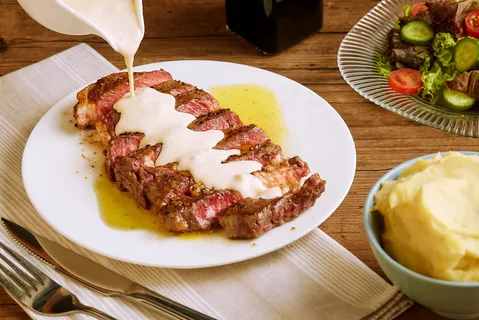
Cream sauces made with wine are widely used across professional kitchens, catering operations, hotels, and food manufacturing environments. While they appear simple from a culinary perspective, these sauces represent a high-risk food category due to the combination of dairy, alcohol reduction, heat processing, and post-cooking handling. When produced without a structured food safety system, cream-based wine sauces can become a vehicle for microbial growth, temperature abuse, and cross-contamination. This guide provides a comprehensive, production-ready framework for creating cream sauce made with wine while fully integrating Hazard Analysis and Critical Control Point principles. The goal is not only to produce a high-quality sauce but to ensure it meets strict food safety, shelf stability, and operational consistency requirements in both small and large-scale environments.
Understanding Cream Sauce Made With Wine as a High-Risk Food
Cream sauce made with wine falls into the category of complex cooked sauces that contain multiple high-risk ingredients. Dairy products such as cream and butter are classified as potentially hazardous foods due to their protein and moisture content. Wine, while acidic and alcoholic in its raw state, loses much of its antimicrobial benefit once reduced and combined with cream. The finished sauce typically has a neutral pH, high water activity, and rich nutrient profile, creating ideal conditions for bacterial growth if mishandled. From a food safety perspective, this sauce must be treated with the same controls as soups, gravies, and dairy emulsions.
The risk profile increases significantly in commercial kitchens where sauces are prepared in batches, cooled, reheated, hot-held, or transported. Without defined control points, risks such as improper reduction temperatures, slow cooling, contaminated utensils, or extended holding times can compromise safety. Understanding the sauce as a controlled product rather than a casual recipe is the foundation of HACCP-aligned production.
Ingredient Risk Assessment and Control Measures
Each ingredient in a cream wine sauce introduces specific hazards that must be identified and managed. Cream presents biological hazards including pathogenic bacteria if stored above safe refrigeration temperatures. Wine introduces chemical considerations such as sulfites and alcohol vapors during reduction. Butter and aromatics such as shallots or garlic can introduce physical contaminants if improperly handled. Even herbs and spices may carry microbial spores if added post-cooking without heat treatment.
Approved suppliers must be used for all dairy and wine products. Cream should be received at or below refrigeration temperature and stored immediately. Wine should be food-grade, labeled, and free from unauthorized additives. All dry ingredients should be stored in sealed containers away from moisture. Receiving logs should document delivery temperatures, packaging integrity, and expiration dates. Ingredient segregation prevents cross-contamination between raw and ready-to-eat components.
Facility and Equipment Requirements for Safe Sauce Production
The physical environment plays a critical role in HACCP compliance for cream sauces. Sauce production should occur in a designated cooking area away from raw protein preparation zones. Equipment such as saucepans, reduction pots, immersion blenders, and storage containers must be food-grade, cleanable, and free from damage. Temperature measuring devices must be calibrated regularly to ensure accurate readings during critical steps.
Ventilation is particularly important during wine reduction to manage alcohol vapors and prevent condensation that could drip into open product. Cooling equipment such as blast chillers or ice baths should be available when producing sauces in volume. Refrigeration units must maintain consistent temperatures and should not be overloaded, as this impairs airflow and cooling efficiency.
Standardized Production Flow for Cream Sauce Made With Wine
A defined production flow reduces variability and ensures repeatable safety outcomes. The typical flow includes ingredient preparation, wine reduction, fat integration, cream addition, cooking to target temperature, optional finishing steps, cooling or hot holding, storage, and reheating if applicable. Each stage presents hazards that must be controlled through time, temperature, and sanitation.
Wine reduction is a critical step where alcohol is boiled off and flavors are concentrated. This stage must reach sufficient heat to eliminate vegetative bacteria while avoiding excessive evaporation that could scorch the pan. After reduction, cream is added and the mixture must be brought back to a safe cooking temperature. Stirring prevents scorching and ensures even heat distribution.
Hazard Analysis for Cream Wine Sauce Production
Biological hazards are the primary concern for cream-based sauces. These include bacteria capable of growing in dairy products when temperature controls fail. Chemical hazards may include residues from cleaning agents if equipment is not properly rinsed, or allergens if cross-contact occurs. Physical hazards include fragments from utensils, packaging materials, or damaged cookware.
Hazard analysis identifies which steps are critical and which are managed through prerequisite programs. For example, supplier approval and sanitation programs address many hazards before production begins. The cooking and cooling steps, however, typically require designation as critical control points because they directly affect pathogen reduction and growth prevention.
Critical Control Points and Their Management
Cooking temperature is one of the most important control points. The sauce must reach and maintain a temperature sufficient to destroy vegetative pathogens. This temperature must be verified using a calibrated thermometer and documented in production records. Inadequate cooking is a direct food safety failure and requires immediate corrective action.
Cooling is another critical point when sauces are not served immediately. Cream sauces must be cooled rapidly to prevent bacteria from multiplying in the temperature danger zone. This requires dividing large batches into shallow containers, using blast chilling, or employing ice bath techniques. Cooling times must be monitored and recorded.
Hot holding, if used, must maintain the sauce above a defined minimum temperature. Reheating must bring the sauce back to a safe temperature quickly and uniformly. Slow reheating or repeated reheating cycles significantly increase risk and should be avoided through batch planning.
Monitoring Procedures and Documentation
Effective HACCP systems rely on consistent monitoring and documentation. For cream wine sauces, monitoring includes recording cooking temperatures, cooling times, refrigeration temperatures, and hot holding conditions. These records provide evidence of control and allow operators to identify trends or recurring issues.
Documentation should be simple enough to be used consistently by kitchen staff. Checklists, temperature logs, and corrective action forms are practical tools. Records must be retained according to internal policy and regulatory expectations. Training staff to understand why monitoring matters improves compliance and reduces errors.
Corrective Actions for Deviations
When a critical limit is not met, immediate corrective action is required. If cooking temperature is insufficient, the sauce must be returned to heat and brought to the correct temperature before use. If cooling exceeds allowable time, the product should be evaluated and discarded if safety cannot be assured. Corrective actions must be documented, including what happened, what was done, and how recurrence will be prevented.
Staff must be empowered to report deviations without fear of blame. A corrective action culture focused on prevention rather than punishment leads to safer operations and better compliance outcomes.
Storage and Shelf Life Management
Cream sauces made with wine have limited shelf life due to their composition. Even under refrigeration, microbial growth can occur over time. Shelf life must be established based on risk assessment, storage temperature, and handling practices. Clearly labeled containers with production date and use-by date are essential.
Sauces should be stored in sealed containers to prevent contamination and moisture loss. Cross-stacking with raw foods must be avoided. First-in, first-out inventory practices ensure older batches are used before newer ones. Any sauce showing signs of separation, off-odors, or texture changes should be discarded immediately.
Reheating and Service Controls
Reheating is a high-risk step if not controlled properly. Sauces must be reheated rapidly to a safe temperature and stirred to ensure even heat distribution. Microwave reheating is not recommended for large volumes due to uneven heating. Steam kettles or stovetop reheating provide better control.
Once reheated, sauces should be served promptly or held at a safe temperature. Repeated reheating cycles degrade quality and increase risk. Planning production volumes according to service needs reduces waste and improves safety.
Allergen Management Considerations
Cream wine sauces typically contain dairy, which is a major allergen. Allergen management requires clear identification, segregation, and communication. Utensils and equipment used for allergen-containing sauces must be cleaned before use with allergen-free products. Menus and labels must accurately reflect allergen presence.
Staff training should include allergen awareness and response procedures. Cross-contact is a common cause of allergen incidents and must be addressed through disciplined workflows and sanitation practices.
Staff Training and Competency
Even the most detailed HACCP plan fails without trained personnel. Staff involved in sauce production must understand basic food safety principles, temperature control, personal hygiene, and documentation requirements. Training should be ongoing and adapted to staff turnover and operational changes.
Practical training that demonstrates correct procedures is more effective than theory alone. Supervisors should verify competency through observation and periodic assessments. A culture of food safety begins with leadership commitment and consistent expectations.
Quality Control Without Compromising Safety
Quality and safety are not opposing goals. Proper HACCP implementation often improves product consistency by standardizing processes. Controlled reduction times, precise temperatures, and consistent ingredient ratios result in a sauce that tastes the same every time.
Adjustments to flavor should always occur within the boundaries of safe practice. Adding cream after cooling or incorporating raw ingredients post-cooking compromises safety and should be avoided. Finishing steps should be planned during the cooking stage whenever possible.
Scaling Production for Commercial and Manufacturing Use
When scaling cream wine sauce production, risks increase exponentially. Larger volumes take longer to heat and cool, requiring more robust controls. Equipment capacity, staff coordination, and documentation systems must be evaluated before scaling up.
Batch size limits, additional cooling equipment, and dedicated sauce production days can help manage risk. Manufacturing environments may require validation studies to confirm that cooking and cooling processes consistently achieve safety targets.
Verification and Continuous Improvement
Verification ensures that the HACCP system works as intended. This includes reviewing records, calibrating thermometers, observing procedures, and conducting internal audits. Verification activities identify gaps and opportunities for improvement.
Continuous improvement involves refining procedures based on experience, feedback, and operational changes. As menus evolve or equipment is upgraded, the HACCP plan must be reviewed and updated accordingly. Food safety is a dynamic process rather than a static document.
Common Failures and How to Avoid Them
Many failures in cream sauce safety stem from assumptions rather than controls. Assuming wine makes the sauce safe, assuming refrigeration is cold enough, or assuming staff remember procedures without documentation leads to risk. Avoiding these failures requires discipline, measurement, and accountability.
Another common failure is treating sauces as secondary items. In reality, sauces often have more complex safety needs than main dishes. Elevating sauce production to the same level of control as primary items reduces incidents and improves overall food safety performance.
Creating a Standalone HACCP Plan for Cream Sauce Made With Wine
A dedicated HACCP plan for cream wine sauce should include product description, intended use, process flow diagram, hazard analysis, critical control points, critical limits, monitoring procedures, corrective actions, verification activities, and recordkeeping. While this guide provides the framework, each operation must tailor the plan to its specific environment.
Customizing the plan ensures relevance and usability. Overly generic plans are often ignored, while practical, operation-specific plans are used daily. The success of a HACCP plan is measured not by its complexity but by its effectiveness in real-world conditions.
Final Perspective on Safe and Professional Sauce Production
Cream sauce made with wine represents the intersection of culinary craft and food safety science. When approached casually, it presents significant risk. When approached systematically, it becomes a controlled, high-quality product suitable for professional service. Integrating HACCP principles into sauce production protects customers, staff, and business reputation while supporting consistent culinary excellence.
By treating cream wine sauce as a defined product with identified hazards, controlled processes, and trained personnel, food operations can confidently serve this classic component without compromising safety. The principles outlined in this guide provide a foundation for responsible production, continuous improvement, and long-term operational success.







Leave a Reply